
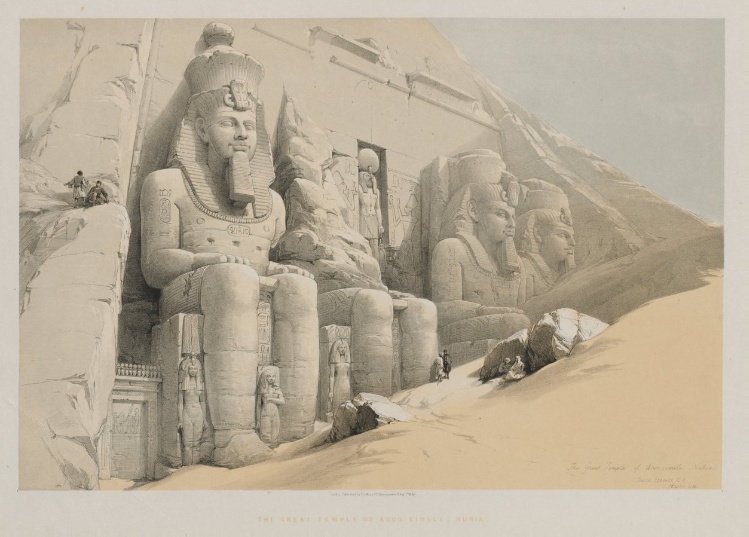
In 1973, Egypt reportedly used Nubian speakers to carry sensitive military messages during the October War after Israeli intelligence had broken earlier codes. The idea is credited to a Nubian soldier, Ahmed Idris. Whether every detail can be independently confirmed or not, the story endures because of what it represents: knowledge held within an African community, overlooked by outsiders, became valuable precisely because it was local and understood from within. Nubian Code takes its name from that principle.
The same mistake, in a new form
Today, many leading AI systems are built outside Africa and trained mostly on data from other places, languages, and markets. They can be impressive, yet still miss the local rules, payment habits, documents, and languages that shape how African businesses work. The problem is not a lack of intelligence or creativity in Africa. It is that too much technology treats African context as an afterthought. Nubian Code exists to bring African knowledge and African experts into the design of practical AI from the beginning.
The vision behind Nubian Code
Nubian Code is building an African technology company around a simple belief: the continent should not receive AI only after it has been designed elsewhere. African languages, markets, regulations, payment systems, and ways of working should help shape these tools from the start. Our role is to connect businesses with African builders and experts who understand the problems on the ground. Together, they can turn local knowledge into practical systems that help companies find opportunities, understand requirements, organize information, and make better decisions. AI can assist with the work, but people remain responsible for the choices. The aim is broader than a single product. We want to help create an ecosystem in which African knowledge is treated as a source of technology, not merely data for technology made elsewhere.
From principle to practice
That vision starts with practical problems. A Kenyan business looking for public tenders may spend hours finding opportunities, reading long documents, and checking whether every requirement is ready. Nubian Code’s first product, Tenda, is being designed to help with that work: find relevant tenders, explain the requirements, flag missing documents, and support the owner without submitting anything without approval. Tenda is one example, not the limit of the vision. Across Africa, businesses face problems that become easier when technology understands local context and when the people closest to those problems help build the solution.
“The code in our name is both memory and method.”
Carrying the code forward
Africa has never lacked intelligence. Too often, its knowledge has been ignored, separated from investment, or treated as something to preserve rather than something to build with. Nubian Code wants to help change that. The code in our name is both memory and method. It remembers a moment when local knowledge became a strategic advantage, and it points toward a future in which African experts and businesses shape the technology they use. We are building carefully, learning from the people closest to the problems, and turning that knowledge into tools that work. If you run an African business, build technology, or understand a problem that deserves a better solution, we want to hear from you.